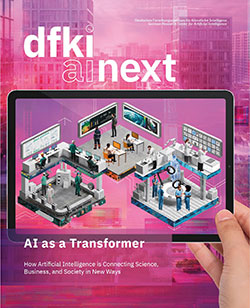
By 2030, artificial intelligence is projected to generate ten percent of economic value. However, moving from research labs to factories, clinics, and control centers remains the biggest challenge. At Hannover Messe 2026, from April 20 to 24, the German Research Center for Artificial Intelligence (DFKI) will showcase how this transition can be achieved.
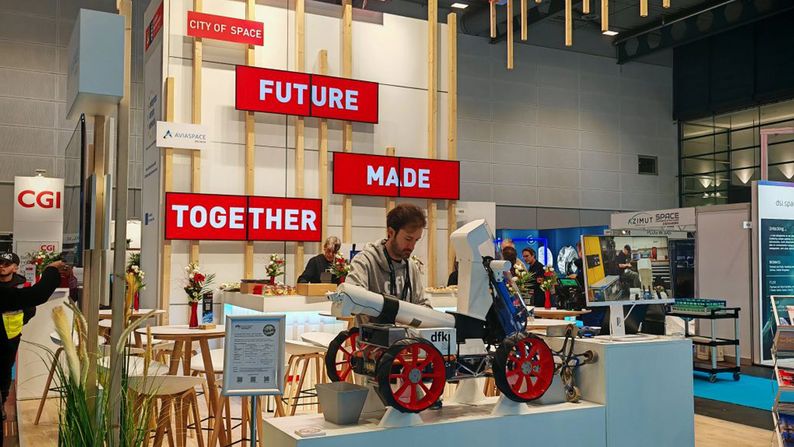
At the DFKI booth in Hall 11 and at partner booths, the center will highlight practical projects that demonstrate the shift from research to industrial use.
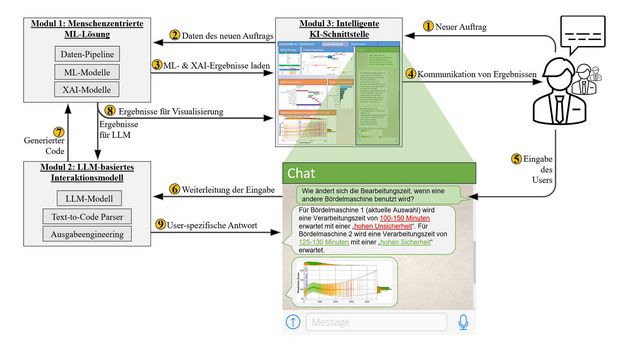
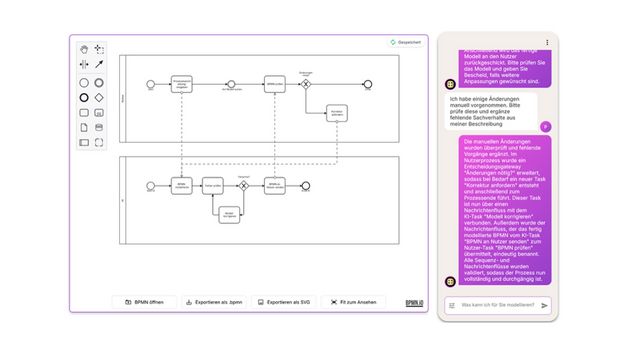
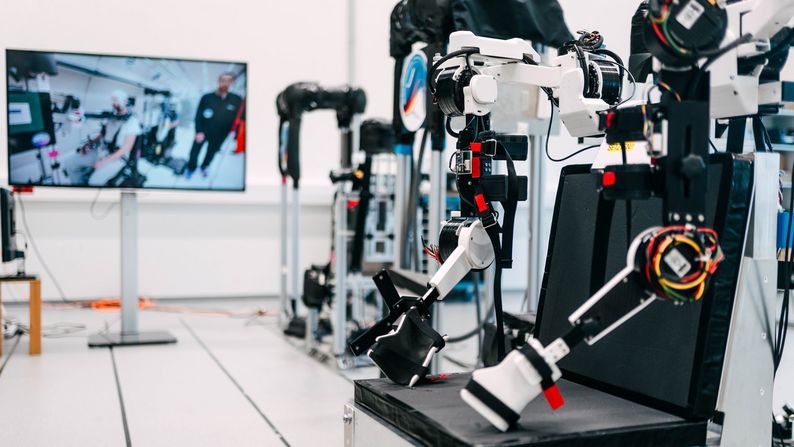
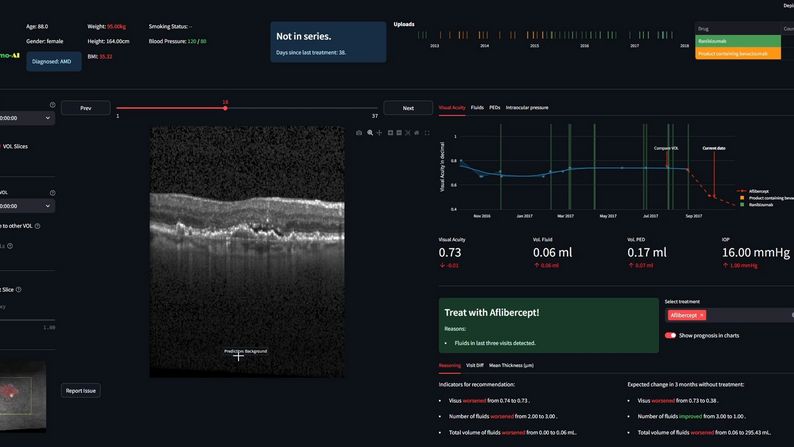
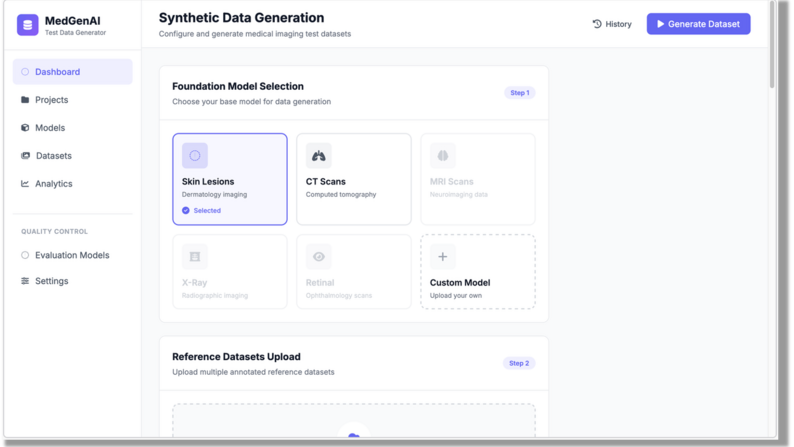
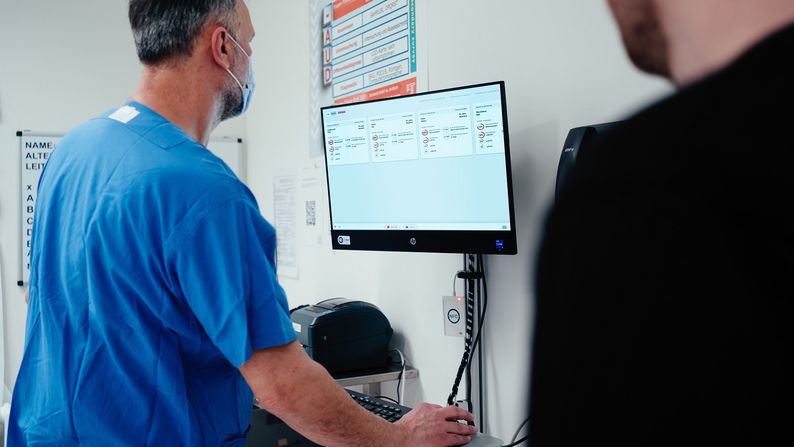
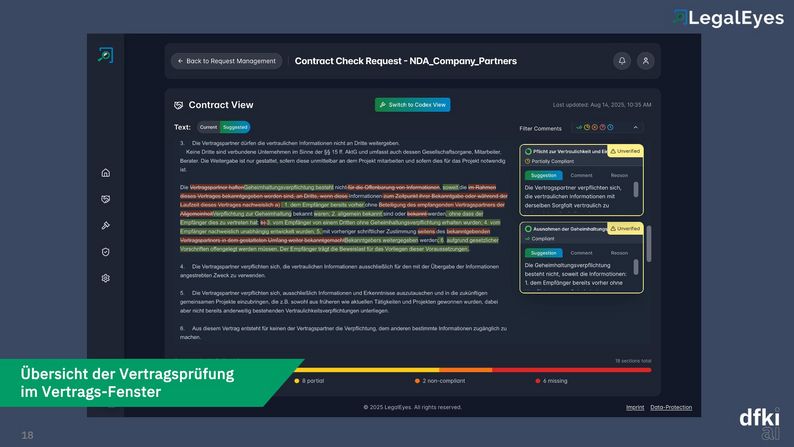
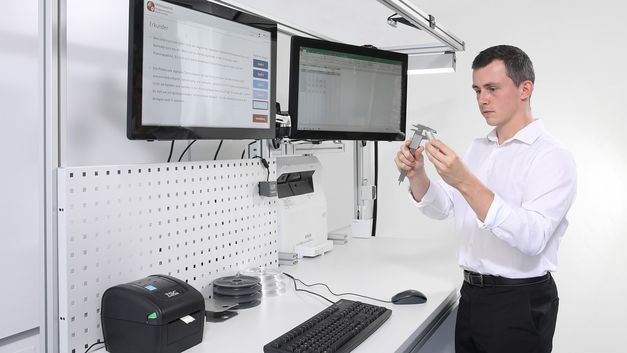
DFKI will showcase how modern AI methods can be applied across various fields. Intelligent robotic systems will support resource extraction on the moon and simulate weightlessness, proving their usefulness in industrial logistics. As assistance and decision-support systems, AI technologies are effective in many areas – from medical diagnostics and treatment to operational management decisions and legal contract review. Additionally, AI optimizes complex processes as a process modeler – such as in mid-sized manufacturing companies or hospital emergency rooms – contributing to greater efficiency, transparency, and quality assurance.
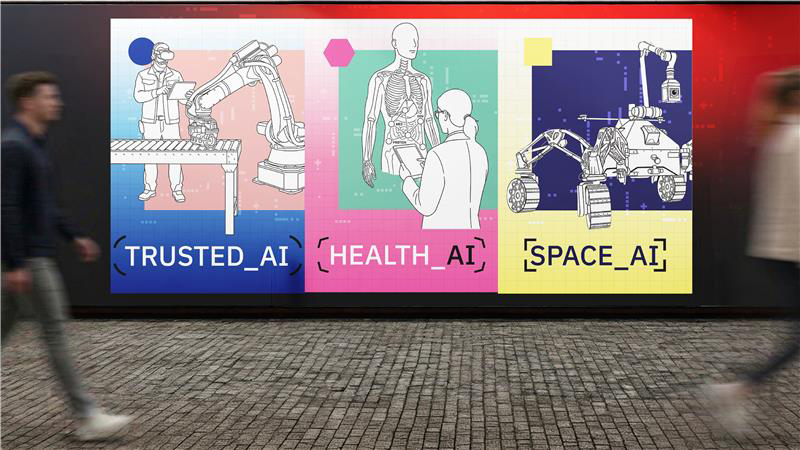
"There has never been a better time to focus on industrial and European AI. The necessary infrastructure is being built in Europe, and we have the ideas. Anyone not yet using AI to improve products and processes should do so now at the latest, or risk falling behind their competitors. We are already witnessing the benefits AI provides in trusted AI, space, and healthcare."
Visit us in Hall 11, Booth B30, and at our joint booths. Attend our presentations and masterclasses to learn how we combine technological excellence with social responsibility – and work with us to shape the future.



Monday, 20.04.2026 | 16:00 - 16:20 (CEST) | Hall 11, Stand B69, Expert Stage
“AI Gigafactories: Strong Infrastructure, Strong Industry. The Path to Technological Sovereignty”
Speaker: Prof. Dr. Antonio Krüger (CEO, DFKI)
Europe is facing a decisive turning point: without substantial investments in AI infrastructure and high-performance computing, growth and innovation will stall. Why giga-factories are more than just large server halls, what benefits they bring to the German economy – and why research, industry, and policymakers must now act together.
Monday, 20.04.2026 | 15:00 - 15:30 (CEST) | Hall 11, Stand D70
“Boosting Sino-German Cooperation in Industrial Artificial Intelligence”
Speaker: Prof. Dr. Wolfgang Wahlster (Chief Executive Advisor DFKI)

Integrating artificial intelligence (AI) into manufacturing is a priority for China and Germany to maintain their competitive edge in global manufacturing. Sino-German cooperation on AI standards for digital twins, machine learning algorithms for edge computing, and accelerators for processing multimodal data is key to advancing global industrial AI. New AI trends, such as ultra-compact language models, hybrid neuro-symbolic methods, and long-term autonomous systems based on multi-agent technology, are now being promoted by both countries in their national AI agendas.
Tuesday, 21.04.2026 | 10:20 - 10:35 (CEST) | Hall 12, Solution Lab (F56), Spotlight Stage
“Demand Planning with AI”
Speaker: Fabian Reichwald (Smart Enterprise Engineering, DFKI Osnabrück)

The Green-AI Hub supports companies in using artificial intelligence strategically to enhance sustainability. In a joint AI pilot project with an internationally operating agricultural machinery company, it was demonstrated how AI-based demand forecasting can reduce overproduction and improve planning processes. The starting point was highly fluctuating customer demand combined with limited storage capacities, which could not be adequately addressed using traditional planning approaches.
The objective of the project was to achieve greater planning reliability for procurement and production through data-driven forecasting. To this end, an AI system was developed that analyzes historical data and external influencing factors in order to accurately predict future demand. The AI serves as a decision-support tool, enables demand-oriented procurement, and reveals a material savings potential of 153 tons.
Tuesday, 21.04.2026 | 13:00 - 13:30 (CEST) | Hall 11, VDI Stand B37
“Green AI – How can AI be designed sustainably?”
Speaker: Fabian Reichwald (Smart Enterprise Engineering, DFKI Osnabrück)
Artificial intelligence opens up new possibilities for using resources more efficiently, optimizing processes, and improving data-driven decision-making. At the same time, the question arises as to how sustainable AI itself is and how its use can be designed in an ecologically and economically sound way.
Based on concrete practical examples from the Green-AI Hub projects, it will be discussed which potentials can already be realized today – such as reduced material usage, lower scrap rates, and more efficient production processes. The focus is on typical use cases, key success factors, and the question of how resource-efficient AI systems can be developed and implemented.
Tuesday, 21.04.2026 | 15:35 - 15:55 (CEST) | Hall 26, Stand E43 – Expert Stage 1
„From Automation to Autonomy: Achieving resilient factories with Agentic-AI“
Speaker: Prof. Dr.-Ing. Martin Ruskowski (Head of Innovative Factory Systems, DFKI)
Europe’s industry faces mounting pressure from low-cost hardware and dominant digital platforms. Traditional automation is no longer sufficient, as capital-intensive systems struggle to keep pace with rapidly evolving requirements and software landscapes. The next stage of industrial transformation is agent-driven autonomy: intelligent agents enable decentralized decision-making on the shop floor, dynamically balancing quality, cost, energy, and time – paving the way for a flexible, software-defined industry.
Wednesday, 22.04.2026 | 10:25 - 10:45 (CEST) | Hall 11, Stand B69, Expert Stage
“Trusted AI as a Key to Europe’s Digital Sovereignty”
Speaker: Prof. Dr.-Ing. Philipp Slusallek (Executive Director, DFKI Saarbrücken)

Trustworthy artificial intelligence is a key enabler of Europe’s digital sovereignty. But how can AI be designed to be powerful and secure while also staying transparent and ethically responsible? The “Trusted AI” approach shows how AI systems can be built to be trustworthy from the beginning and tested in real-world situations – allowing reliable use in critical domains and responsible AI use in enterprises.
Wednesday, 22.04.2026 | 12:05 - 12:25 (CEST) | Hall 11, Stand B69, Expert Stage
“Space AI: Mobile Robots for Operations on Extraterrestrial Bodies and in Orbit”
Speaker: Dr.-Ing. Daniel Kühn (Robotics Innovation Center, DFKI)

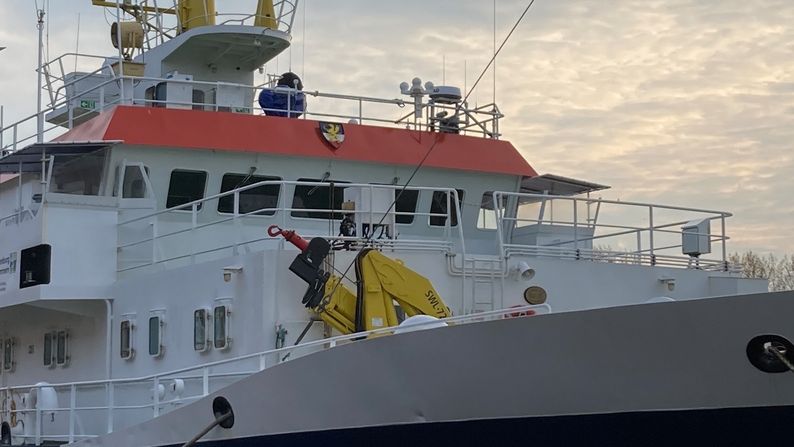
Autonomous mobile robots are fundamentally transforming space exploration. Driven by artificial intelligence, they independently explore extraterrestrial surfaces and orbital zones, assess their environment, and carry out complex tasks in extreme conditions. These advancements not only open new possibilities for space missions but also stimulate innovation in maritime applications, search-and-rescue efforts, and rehabilitation.
Thursday, 23.04.2026 | 09:35-09:55 (CEST) | Hall 11, Stand B69, Expert Stage
“Robust, Secure, Accessible – Integrative AI System Design”
Speaker: Prof. Dr. Martin Atzmüller (Head of Cooperative and Autonomous Systems, DFKI Osnabrück)

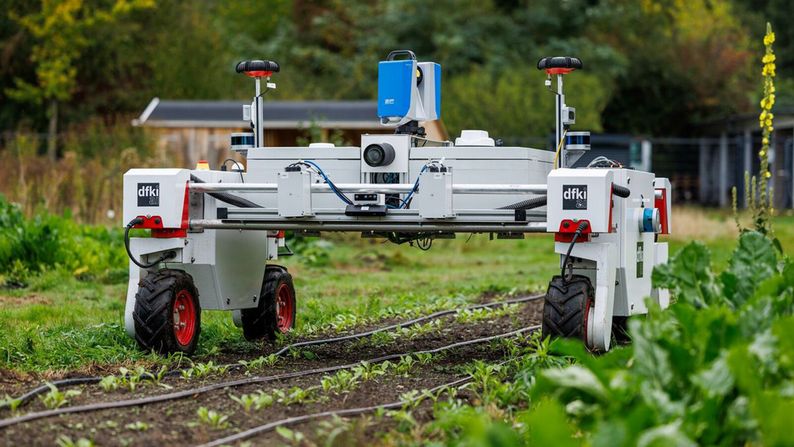
Autonomous agricultural systems exemplify the next generation of industrial AI applications: they must operate reliably in dynamic environmental conditions while meeting high standards of safety, robustness, and explainability. As such, they are at the forefront of trustworthy AI, characterized by high performance, resilience, and transparency.
Integrative AI system design systematically addresses these requirements, spanning sensor-based perception and learning systems, safeguarding, and validation under real-world conditions. Key factors include robust system architectures, continuous evaluation, and clearly defined quality criteria for transferring solutions into reliable applications.
This approach enables the development of AI systems that operate dependably and at scale beyond controlled environments, contributing to digital sovereignty and the transformation of agriculture.
Thursday, 23.04.2026 | 13:20 - 13:40 (CEST) | Hall 11, Stand B69, Expert Stage
“Physical AI: Intelligent Systems for Individual Rehabilitation and Healthcare”
Speaker: Prof. Dr. Elsa Andrea Kirchner (Team Leader Intelligent Healthcare Systems DFKI)

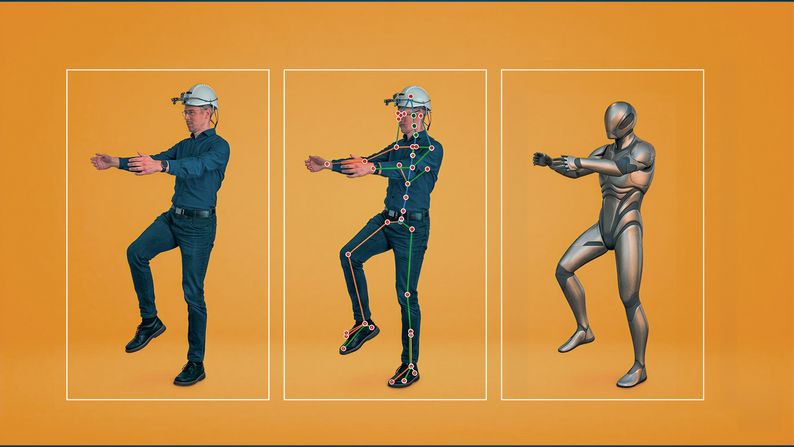
Intelligent robotic systems and AI-supported assistance enable personalized therapy, more precise rehabilitation, and effective support in daily life and at work. Real-time biosignal analysis, adaptive exoskeletons, and advanced human–robot interaction facilitate efficient, ethical, and data-driven solutions for an aging society. Physical AI enhances autonomy, alleviates the workload of skilled professionals, and shapes the future of medicine.
Thursday, 23.04.2026 | 12:30 - 14:00 (CEST) | Hall 26, Solution Lab (E43), Masterclass 1
“Making practical use of AI: Networks, support, and solutions for Small and Medium-Sized Businesses in Lower Saxony”
With Fabian Reichwald (RD Smart Enterprise Engineering, DFKI Osnabrück)
Artificial intelligence offers enormous opportunities for small and medium-sized enterprises (SMEs) – yet many companies ask themselves: Where do I start? Who can provide concrete support? And what opportunities are actually available in Lower Saxony?
This 90-minute masterclass brings together 5–6 of the most important AI networks, research initiatives, and funding projects from Lower Saxony. At the beginning, the participating actors will introduce themselves with short, concise pitches, showcasing the services, support offerings, and key contacts they provide specifically for SMEs.
The second part focuses on the real challenges faced by SMEs: from regulatory issues (e.g. the EU AI Act), to economic viability and the shortage of skilled workers, as well as concrete use cases and implementation questions. Together, participants will discuss how the presented networks can support SMEs in practice – in a hands-on, accessible, and solution-oriented way.
Register here (in German): https://www.hannovermesse.de/veranstaltung/ki-konkret-nutzen-netzwerke-forderung-und-losungen-fur-den-mittelstand-aus-niedersachsen/mc/85846
Press contact
Jennifer Oberhofer
Tel.: +49 541 386050 7088
Jennifer.Oberhofer@dfki.de
Heike Leonhard
Tel.: +49 681 85775 5390
Heike.Leonhard@dfki.de