
DFKI4Space
How DFKI is advancing intelligent technologies for space
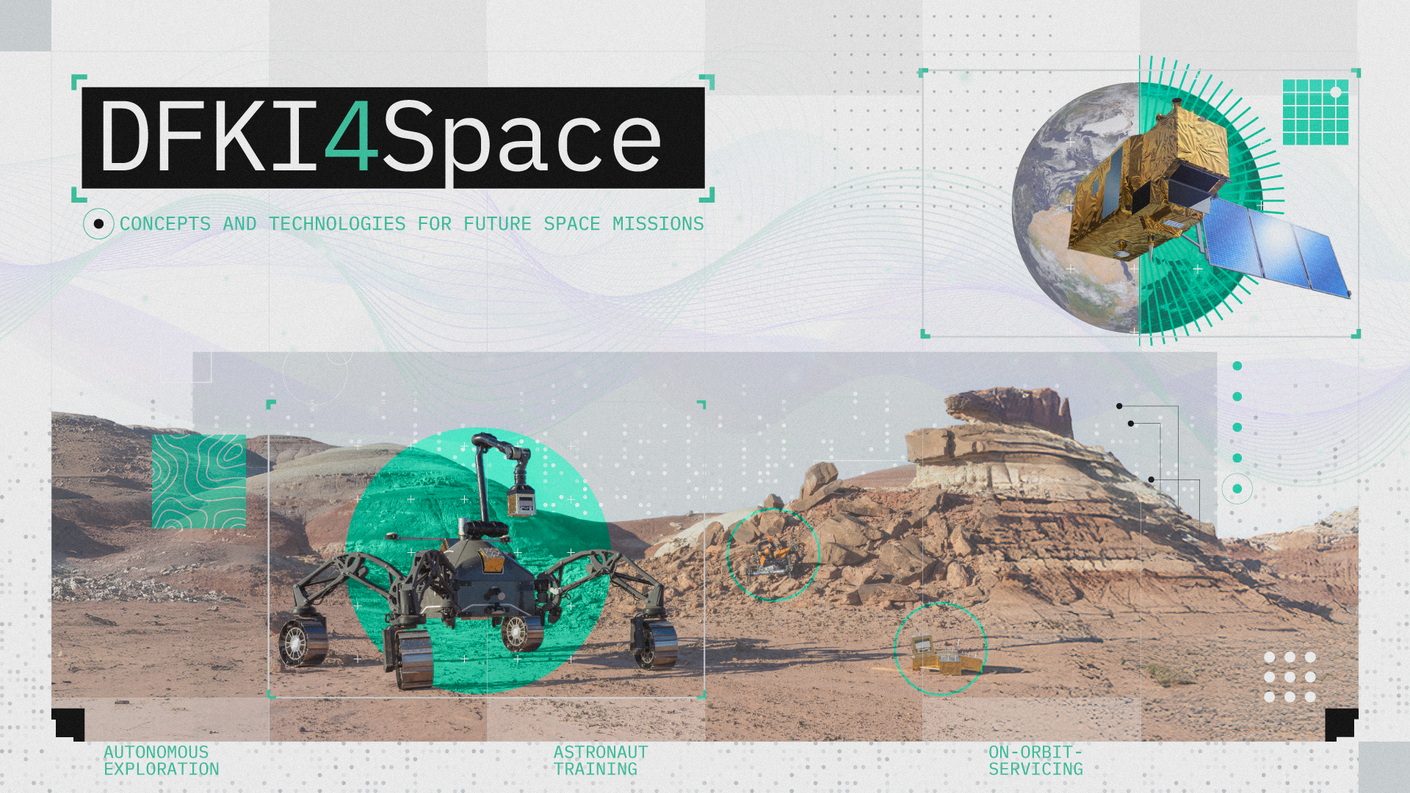
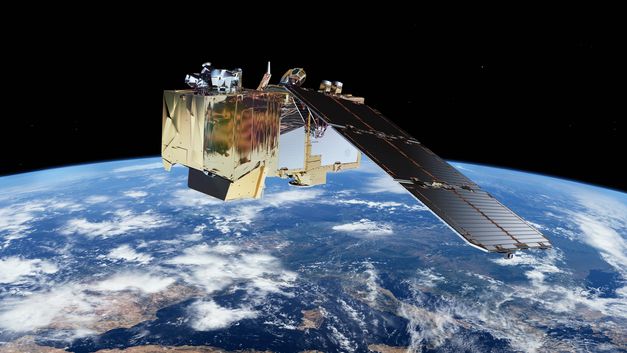
Space exploration is much more than a scientific adventure – it is a key issue for the future. At the German Research Center for Artificial Intelligence (DFKI), innovative AI and robotics solutions are being developed in collaboration with partners from the space sector, research, and industry, paving the way for a fundamental change in space travel: toward autonomous, intelligent, and sustainable systems that provide targeted support to humans and set new standards.
 © DFKI, Juan Mejia
Intelligent technologies open up new possibilities wherever humans reach their physical or cognitive limits, including in space. They facilitate space exploration and the construction and operation of satellites and space stations, while also providing valuable impetus for applications here on Earth, such as in medicine, industry, and environmental monitoring. Meanwhile, the strategic importance of space travel for Europe is growing, as it strengthens technological sovereignty, international competitiveness, and the responsible use of critical infrastructure.
DFKI’s interdisciplinary expertise enables it to conduct research on autonomous robotic systems, AI-supported data analysis, and other key technologies at several locations across Germany, thereby making an important contribution to safe, resource-efficient, and sustainable space travel.

"For us at DFKI, a key goal is to realize the potential of artificial intelligence in space. In collaboration with our partners in the space sector, we are developing autonomous and adaptive technologies that will make future missions safer, more efficient, and more sustainable. In doing so, we recognize the political and strategic importance of this field of technology and emphasize its significance as a driver of globally relevant innovation."
Unique research and testing infrastructure for space robots
 © DFKI, Annemarie Popp
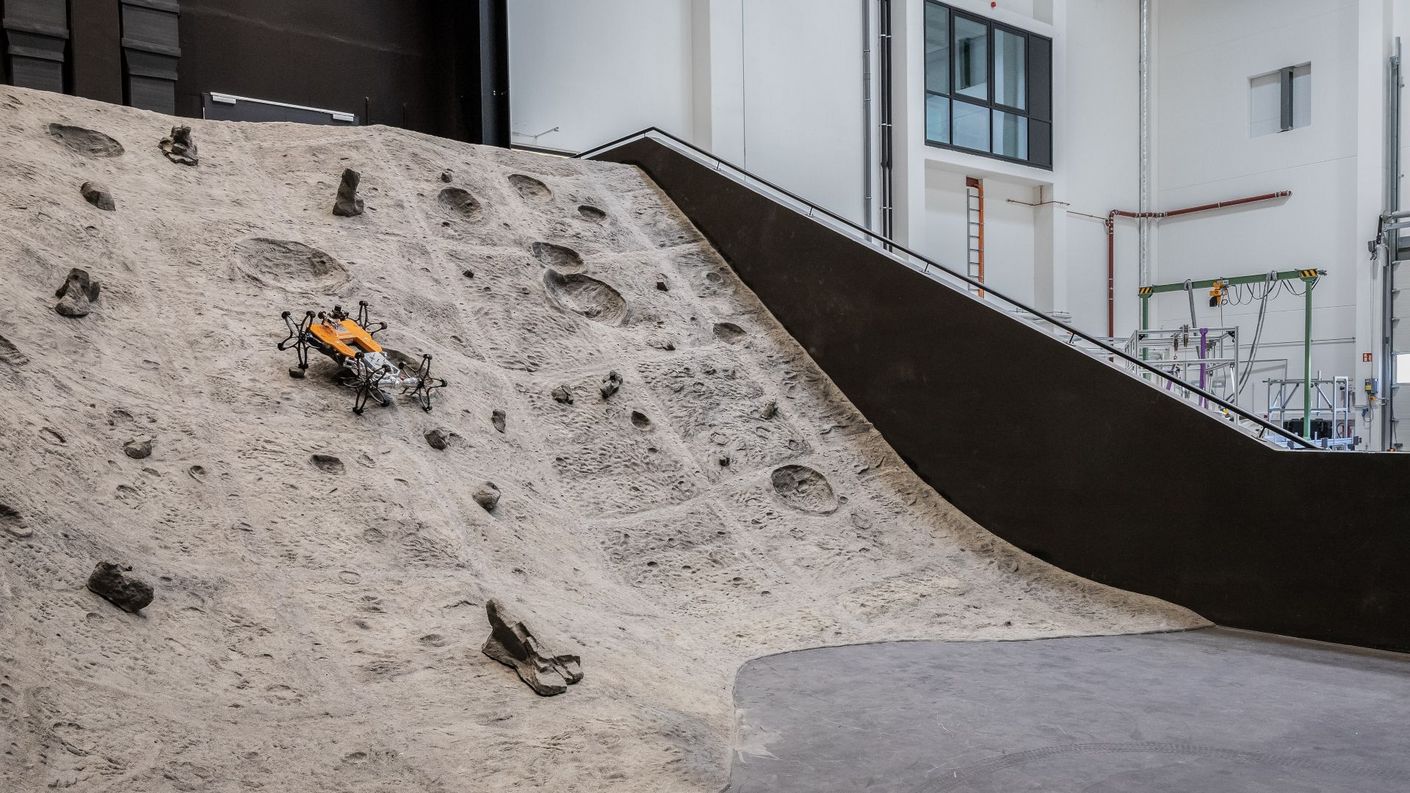
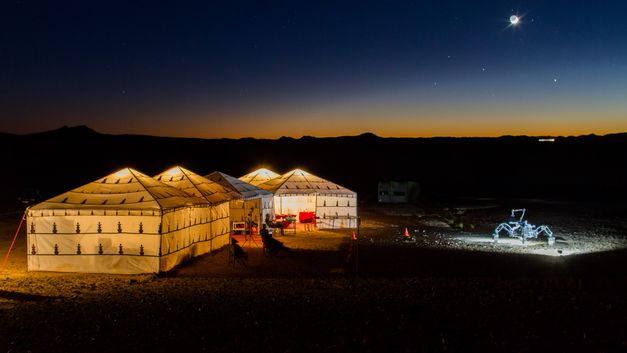
The Robotics Innovation Center in Bremen features a highly specialized research and testing infrastructure that enables the practical development and evaluation of robotic systems under realistic conditions.


Unique research and testing infrastructure for space robots
© DFKI, Annemarie PoppThe Robotics Innovation Center in Bremen features a highly specialized research and testing infrastructure that enables the practical development and evaluation of robotic systems under realistic conditions. Systems, modules, and control units are tested iteratively to systematically increase their technology readiness and gradually adapt them to the requirements of planetary and orbital missions.
Test facilities:
- Crater landscape: Simulates Moon and Mars conditions, including slopes of up to 45°.
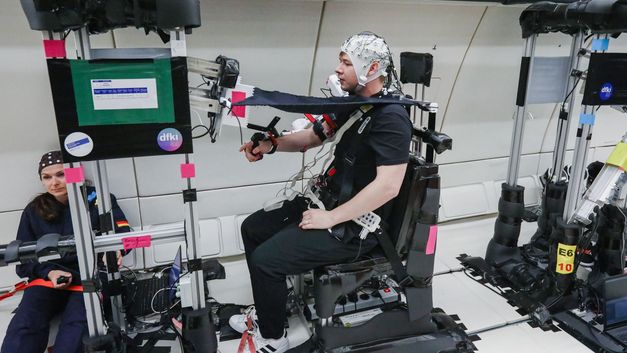
- Maritime Exploration Hall: Underwater and microgravity experiments with motion tracking.
- Virtual Reality Lab: Immersive environment for simulation, mission control, and teleoperation.
- ISO-compliant cleanroom: Hardware and electronics integration and quality control.
Field tests worldwide:
Testing under space-analog conditions on Earth, e.g., deserts, lava caves, or ice-covered waters.
ESA_Lab@DFKI – AI for space
 © ESA
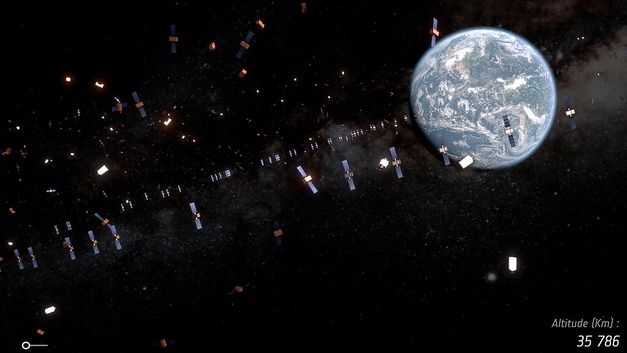
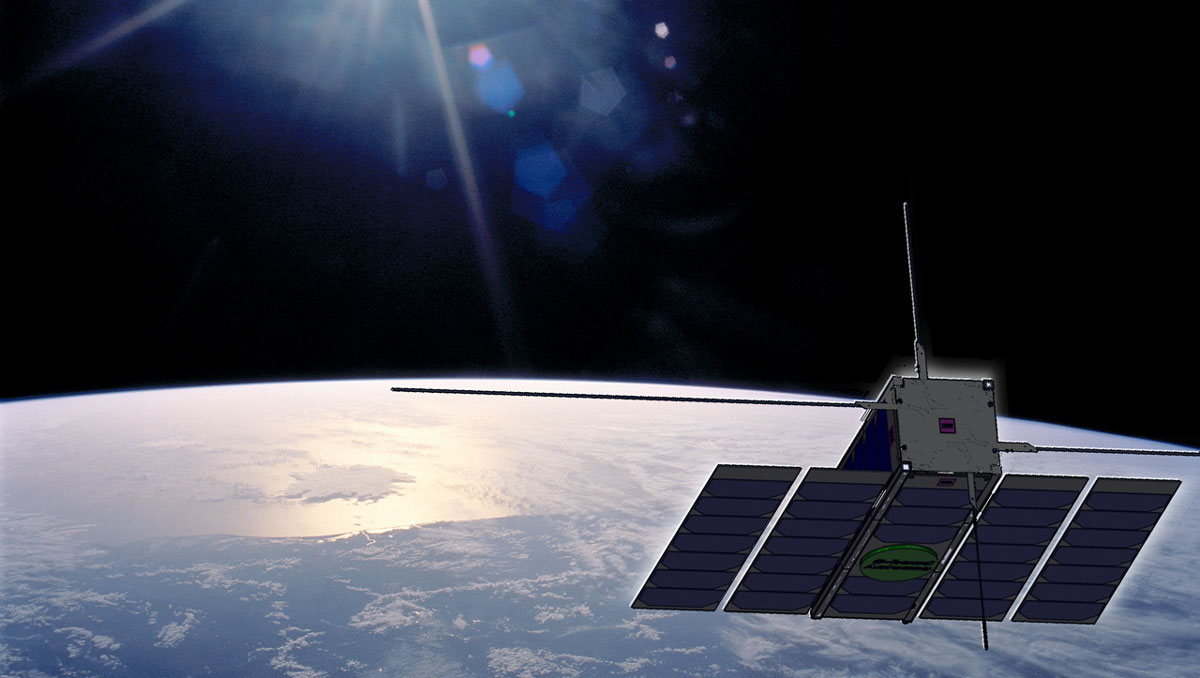
© ESATo develop new AI technologies and applications for civil spaceflight, the European Space Agency (ESA) and the DFKI established the ESA_Lab@DFKI.
At the transfer lab in Kaiserslautern, researchers from both institutions work together on:
- AI systems for analyzing complex Earth observation data
- Solutions for satellite collision avoidance
This collaboration fosters a close exchange between research and practical space operations.
From space to Earth – Technology transfer for societal progress
The technologies developed at DFKI have a far-reaching impact, extending well beyond space travel. They create tangible social value on Earth, for instance by enabling more precise climate and environmental observation and more effective disaster prevention.
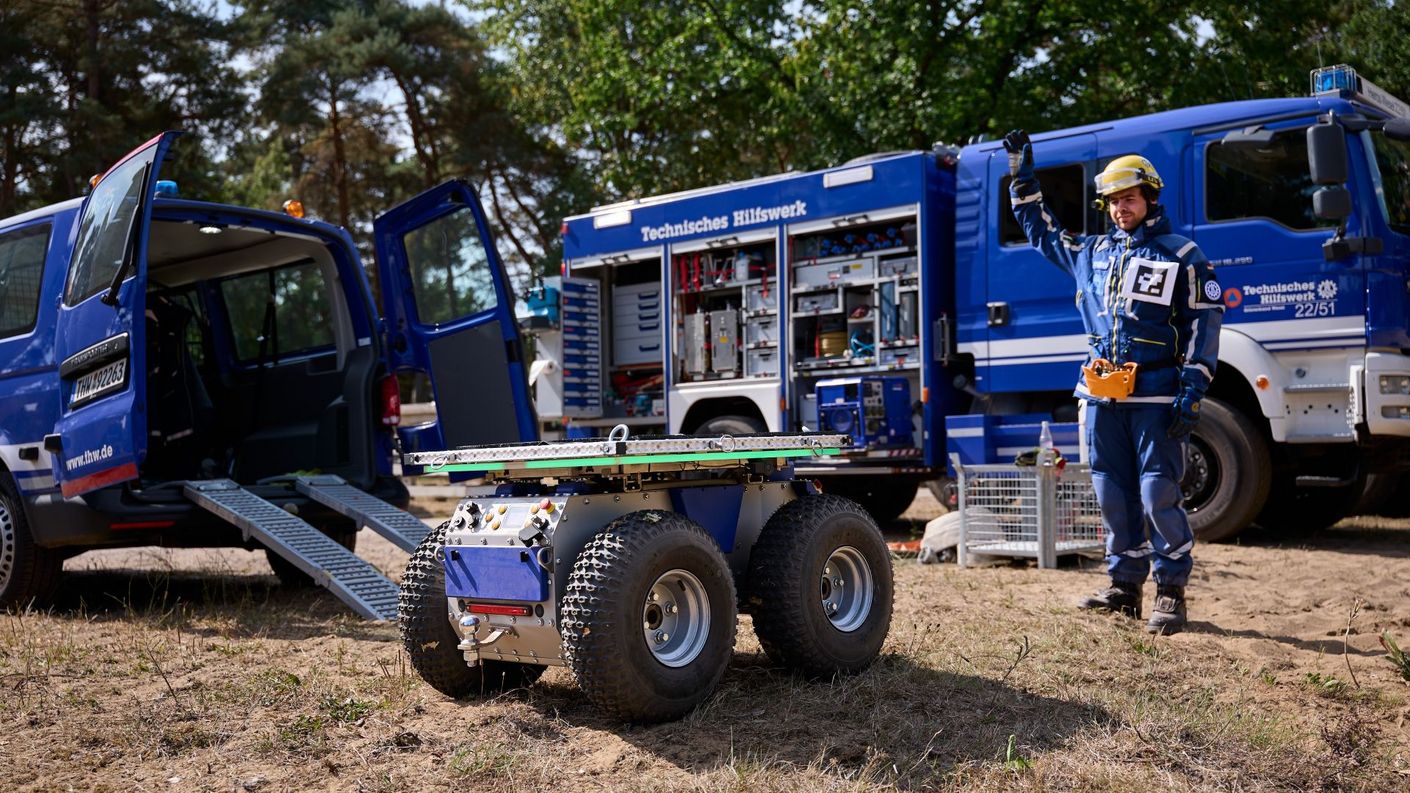
Autonomous robotics enables operations in extreme or dangerous environments such as the deep sea, disaster areas and mines, while also promoting innovative applications in logistics, production and agriculture. Adaptive AI systems and exoskeletons are opening up new approaches in medical rehabilitation and industrial work environments by providing targeted human support. Virtual training environments with haptic feedback improve preparation for manned space missions and could also be used to train rescue workers and in industrial training.
Intelligent technologies are changing the way we explore space and how we live and work on Earth. They represent a new approach to space travel, focusing on sustainability, cooperation and human responsibility. What is tested in orbit today will drive progress on Earth tomorrow, and vice versa.